Kauai has roughly 50 miles of accessible coastline and somewhere over 60 named beaches, but most visitors end up cycling through the same five or six. That's not a bad thing — the famous ones are famous for a reason — but if you only have a week, you should know what each beach actually delivers before you drive an hour to get there. This is the honest version.
A note on safety: Kauai's surf is no joke, especially in winter (October–April) on the north shore. 'If in doubt, don't go out' is the official lifeguard mantra and it's worth taking seriously. Always check ocean conditions at hawaiibeachsafety.com before you head out.
Seasonal reality check: Kauai's beaches are not one-size-fits-all year-round. The north shore goes from summer paradise to serious surf break between October and April. The south shore stays calmer but still gets south swells in summer. If you're visiting between November and March, many of the north shore snorkel spots will be unsafe — and that's fine, because the scenery is still spectacular. Build your beach day plans around the season you're actually visiting.
Parking is a genuine issue at nearly every popular beach. The lots are small, enforcement is active, and tow trucks operate at several locations. The safest strategy: arrive before 9am or after 3pm, never park in front of driveways or fire hydrants, and read every sign before you walk away from the car. Several spots now have paid parking kiosks — keep a card handy.
1. Hanalei Bay — The postcard
Two-mile crescent, jade mountains behind you, taro fields up the valley. In summer (May–September) the bay is glassy and swimmable; in winter it turns into a serious surf break and the shore break can knock you over.
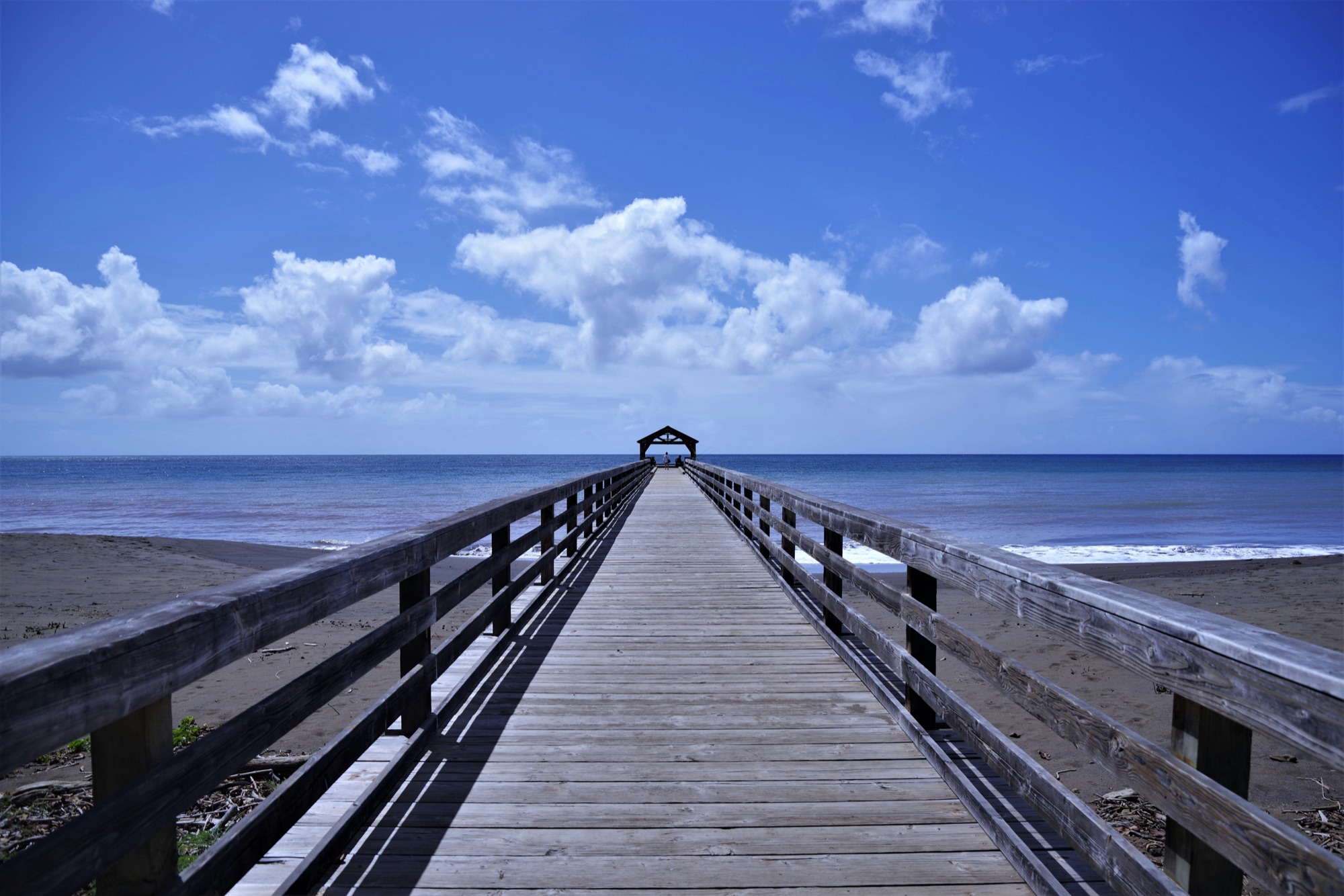
Parking: three lots — Black Pot (by the pier), Waioli (mid-bay), and Pavilions (west end). Black Pot fills by 9am in summer. The pier itself is the most photographed spot on the island; come at sunset and you'll have company, but it earns the cliché.
Best time of day: early morning for stillness, late afternoon for swimming with the light. Midday in summer can be crowded and hot; the bay has little shade once you're past the pavilions.
The bay is about 2 miles wide and you can walk the whole length of it on sand or the beach access path. From Black Pot to the Hanalei River mouth at the west end takes about 40 minutes at a leisurely pace. In summer, the west end near the river is quieter and the swimming is just as good.
Winter surf context: when the north shore goes big (November–March), Hanalei Bay hosts professional surf competitions. The waves are beautiful to watch from the beach or the pier, but the shore break alone can knock down an adult. Treat it as a spectator experience and save the swimming for Poipu.
Hanalei town is a 5-minute walk from the Black Pot parking area — coffee, breakfast burritos, groceries, and the best farmers market on the island (Saturday mornings, Hanalei Community Center) are all within reach. This makes Hanalei the best overall beach-day base on Kauai when conditions cooperate.
2. Poipu Beach — The reliable swimmer
A natural sandbar splits Poipu into two pockets: a calm protected wading area on the keiki (kid) side and a slightly bigger open swim on the other. Endangered monk seals haul out on the sand regularly — give them 50 feet of space, it's federal law and the rangers enforce it.
Parking is free in a small lot off Hoowili Road, plus street parking on Hoone. Get there before 10am or after 3pm. Restrooms, showers, lifeguards every day. The lifeguarded section is small — stay near the flags.
If you can only do one south-shore beach, this is it. The conditions are consistently the most beginner-friendly on the island, the facilities are the best of any south-shore option, and the seal sightings alone make it memorable.
South swells (May–September) can push the swim to the keiki side only, but even then it's manageable for most swimmers. Check the posted warning signs when you arrive — lifeguards update the condition flags throughout the day.
There's a small snorkel opportunity on the east side of the sandbar when conditions are calm. Green sea turtles are common here; they feed on the reef and occasionally haul out on the sand. Same 50-foot rule applies to turtles as to seals — approaching them is illegal under the Endangered Species Act.
Food options within a short walk: Brennecke's Beach Broiler is right across from the park. The convenience store at the Poipu Shopping Village has snacks and drinks. Pack your own cooler and you'll do better on both price and quality.
3. Tunnels (Makua) — The snorkel
Best snorkeling on the island in summer. The reef forms a horseshoe lagoon and the visibility on a calm morning is 40+ feet. Sea turtles are nearly guaranteed, and the reef fish diversity is the richest on Kauai.
Parking is the catch. The two tiny pullouts on Highway 560 fill before 8am and there's no lot. Locals park along the road shoulder; mind the no-parking signs or you will get a ticket. The best strategy is to get there at 7:30am when the light is good and the surface is glassy.
Don't even think about it in winter — the same reef that makes summer magical generates a wave called 'Cannons' that breaks over it. Winter surf here is dangerous and even watching from the shore can be precarious.
Gear: Tunnels is shallow enough in the lagoon that fins aren't strictly necessary, but they help on the outer reef where the current picks up. Rent snorkel gear the night before in Hanalei or Princeville rather than schlepping it to the parking pullout.
The outer reef beyond the lagoon drops off quickly and has stronger current — stay inside the horseshoe if you're a beginner. The inner lagoon alone is rewarding. On a calm summer morning it's one of those rare experiences where the water actually looks like the photos.
Crowds build fast: by 10am on any nice day, the pullouts are full and the lagoon gets busy. Come early or come on a weekday. The snorkeling is consistently better before 10am anyway — the light is better and the surface is calmer.
4. Secret Beach (Kauapea) — The trek
Not actually a secret anymore, but the 15-minute downhill hike on a red-dirt trail keeps the casuals away. The beach is enormous — almost 3,000 feet of sand — with a waterfall at the east end that runs after rain.
Trailhead is at the end of Kalihiwai Road, off the highway just east of Kilauea. Wear shoes for the trail (it gets slippery after rain, and it rains frequently here), bring water, and pack out everything. No facilities, no lifeguards.
Strong currents make swimming dangerous at Secret Beach for most of the year. In summer, on flat days, locals swim in the area near the east-end waterfall, but this requires local knowledge of conditions. The default assumption should be: don't swim here.
What it's actually good for: a long, quiet walk with dramatic scenery. The Kilauea Lighthouse is visible from parts of the beach, and the views of the surrounding sea cliffs are some of the best on the island. Come at golden hour if you can manage the timing.
The hike back up is steep — about 200 feet of elevation gain in under a quarter mile. It's short but if you've been on the beach for three hours and it's hot, it earns its difficulty. Take your time.
What to bring: sunscreen (the beach is fully exposed), plenty of water, a hat, and shoes that can handle wet red clay. You will get dirty. The trail gets significantly worse after heavy rain — if it's been raining on the north shore, skip this one.
5. Polihale — The end of the road
Seventeen miles of beach at the western tip of the island, where the Napali Coast cliffs begin. The drive in is 5 miles of rutted dirt road that some rental car contracts technically prohibit. A 4WD or high-clearance vehicle isn't required after dry weather but it helps after rain.
Once you're there: massive dunes, almost no people, the most dramatic sunset on Kauai. Swimming is dangerous year-round — rip currents, shore break, no lifeguard. Come for the walk and the sky.
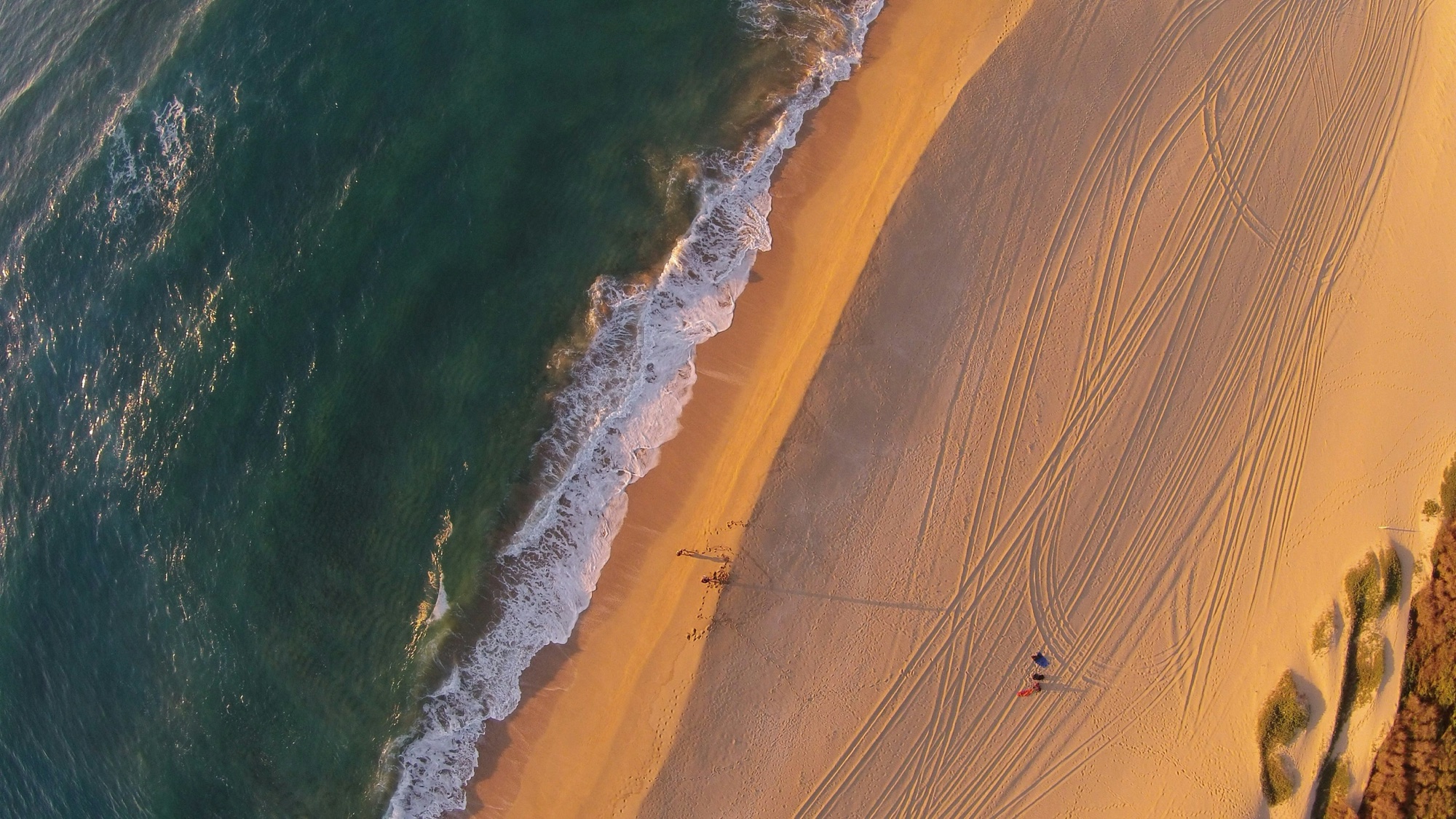
The dunes at the north end of the beach are the real destination — 100-foot sand dunes where the Napali cliffs rise straight from the shoreline. Walk north from the parking area for 20–30 minutes and you'll have the place to yourself.
Facilities: there are pit toilets and outdoor showers at the main parking area. That's it. Bring everything you need, including more water than you think — it's hot, dry, and exposed on the west side.
When to go: the west side gets the most sun on Kauai. Midday in summer is brutal. Go late afternoon, stay for the sunset, and drive out before full dark (the dirt road is harder to navigate at night). Winter sunsets here are earlier and often even more dramatic — the clouds stack over the cliffs.
Camping is allowed at Polihale with a Hawaii state parks permit. The campground is basic but the night sky is exceptional — this is the darkest spot on the island. Reserve through the state camping portal.
Road condition note: after significant rain, the dirt access road to Polihale can become impassable even for 4WD vehicles. Check conditions locally before making the drive — a stop in Waimea town for a quick ask at a gas station or the visitor center is worth it.
6. Ke'e Beach — End of Highway 560
Inside Ha'ena State Park, so you need a timed reservation to access it. Book through gohaena.com — reservations open 30 days in advance at midnight Hawaii time and sell out within minutes for popular dates. Set a calendar reminder.
Small lagoon protected by reef, great for a beginner snorkel in summer. Also the trailhead for the Kalalau Trail, which means parking is rationed and the entry system is strict.
The reservation covers a specific time window (usually 3-hour slots). You arrive during your window, you leave within it. Rangers check — don't try to sneak in without a reservation, as the fines are real and the park staff are present.
In summer (May–September) the lagoon is calm and the snorkeling is good — not as rich as Tunnels, but the setting is more dramatic. The reef is close to shore and the water is shallow in the inner lagoon. Turtles are common.
In winter, the lagoon often turns rough and swimming is inadvisable. The beach and viewpoint are still worth the trip — the view west toward the Napali Coast from Ke'e is one of the defining images of Kauai.
If you're already doing the Napali day-use entry, tack on Ke'e at the end — sunset from here is the closest most people will get to the Napali coast on foot. Arrive an hour before sunset and plan to drive out in dusk. The views looking back toward Hanalei from the parking area are also exceptional.
What to know before you go: the reservation system was implemented after years of unmanaged crowds that damaged the reef and overwhelmed the small parking area. It works — the park feels calm and uncrowded compared to pre-2020 conditions. Book as far ahead as the 30-day window allows.
7. Lydgate Beach Park — Best for families
Two man-made lava-rock pools that hold back the surf, making this the safest swim on the island for small kids. Huge playground (Kamalani), big lawn, lots of pavilions for picnics. East side, just south of Wailua.
Not glamorous, but on a day with rough surf islandwide you'll be grateful it exists. The larger pool has decent snorkeling in calm conditions — fish shelter in the rocks and the water is usually clear.
Facilities: full restrooms, outdoor showers, picnic tables, a large grass area, barbecue grills (bring charcoal), and a basketball court. This is the most infrastructure-heavy beach park on the island.
The Kamalani Playground is legendary among family travelers — it's an elaborate wooden play structure that spans a large area. Kids can easily spend an hour on it while adults watch from the shaded benches around the perimeter.
The Ke Ala Hele Makalae multi-use path runs through Lydgate and along the coast for miles in both directions — if you want a flat, paved walk or bike ride with ocean views, rent bikes nearby and use this trail.
Parking is ample here compared to most Kauai beaches — a large lot with no time limit and free parking. This alone makes it a practical option for families loading and unloading gear. You can arrive at a normal hour and still get a good spot.
8. Shipwreck Beach — The cliff jumpers' spot
In front of the Grand Hyatt in Poipu. Short, photogenic, with the Makawehi cliff at the east end. Body boarders and locals jump from the cliff; the swim is rougher than nearby Poipu Beach proper.
The Mahaulepu Heritage Trail starts here and runs 4 miles along the coast — one of the best easy walks on the island. Flat, dramatic, and usually uncrowded past the first half mile.
Cliff jumping: people do it, but it's worth knowing what you're getting into. The height is about 20–30 feet depending on where you jump. There are rocks below in some spots and the conditions change with tide and swell. Locals know where the safe jump points are; tourists guess. If you're not local, watch carefully before committing.
The beach itself has stronger surf than Poipu Beach proper, so it's better for watching than swimming for most visitors. Body boarders and shore break lovers enjoy it on the right swell.
The parking lot serves both Shipwreck and the hotel — use the public beach access lot on Ainako Street, not the hotel lot. It's free and a 3-minute walk to the beach.
Pair Shipwreck with the Mahaulepu trail for a full south-shore activity half-day: walk the trail in the morning when it's cooler, watch the surfers at Shipwreck, and wrap up at Poipu Beach for a swim. That sequence takes about 4–5 hours total and is one of the best value days on the south shore.
9. Anini Beach — The flat-water exception
Two-mile fringing reef makes this the calmest stretch of north-shore water year-round. Shallow, kid-friendly, popular with windsurfers and stand-up paddlers. Camping is allowed with a Kauai county permit.
Go down Kalihiwai Road and turn left at the bottom (turning right takes you to Kalihiwai Bay beach — also beautiful but smaller and less protected). The road parallels the beach for a mile — pull off anywhere.
The reef that protects Anini makes it reliable even when the north shore is churning. In winter, when Hanalei Bay is closed out and Ke'e is too rough to snorkel, Anini often stays swimmable. It's the backup plan for north-shore water access in winter.
Windsurfers and kitesurfers congregate at the east end of the beach where the wind corridor is best. If you want to try stand-up paddling on calm water, this is the spot — it's shallow, protected, and forgiving of beginners.
The camping area is one of the best county campgrounds on the island. Sites are right on the beach, there are basic facilities, and the sound of the reef breaking in the distance at night is exceptional. Book through camping.kauai.gov — sites go fast for weekends.
Snorkeling: the inner reef has reef fish and the occasional turtle, though the visibility and diversity don't match Tunnels. It's a good option for beginners or when Tunnels is too crowded or too rough.
10. Salt Pond Beach Park — The local pick
West side, near Hanapepe. Protected cove with a sandy bottom, native Hawaiians still harvest salt from the adjacent ponds (a cultural practice that has continued here for centuries) in summer — you can see the shallow evaporating ponds from the parking area.
The beach has shade trees (genuinely rare on Kauai beaches), showers, picnic tables, barbecue grills, restrooms, and lifeguards on weekends. This is where west-side families spend their beach days.
The swimming is protected and generally calm — a small reef breaks the wave energy. Good for families, beginner swimmers, and anyone who wants to swim without worrying about getting knocked over. Snorkeling on the reef edge is decent.
Worth pairing with a Friday night Hanapepe Art Walk (galleries and studios on the old main street open until 9pm) for a full afternoon-into-evening west-side day. Hanapepe town itself is charming — old plantation-era architecture, a swinging bridge, and some genuinely good food options.
The west side gets more sun than anywhere else on Kauai — Salt Pond can be very hot midday in summer. The shade trees help but pack a beach umbrella or plan to arrive late afternoon.
Most visitors skip the west side entirely, which is a mistake. Salt Pond + Hanapepe + a Waimea Canyon day makes a compelling full west-side itinerary. The drive from Poipu is only 20 minutes; from the north shore it's a longer haul but worth it at least once.
Was this guide helpful?